
National Preparedness Month - September - HVAC
Ron Mathias
Sep 09 2026 13:00
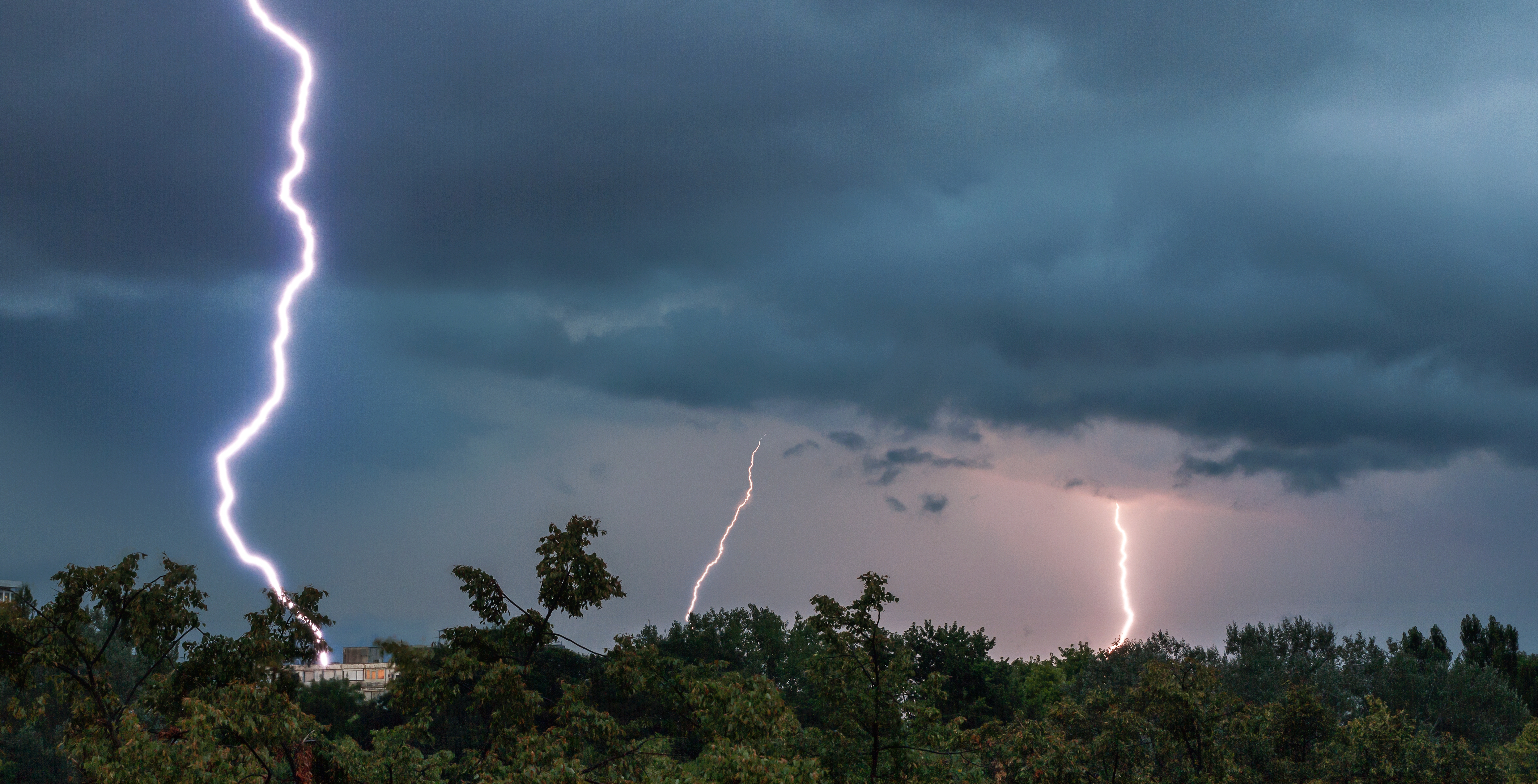
Storm season often brings strong winds, heavy rain, and unpredictable conditions, and preparing your home’s heating and cooling system is just as important as stocking up on basic supplies. Taking steps early can help protect your equipment, reduce the risk of damage, and keep your home more comfortable when the weather turns rough. At Accurate Heating & Air Conditioning, we help homeowners throughout Lompoc, Santa Maria, and surrounding Santa Barbara County communities stay ready for whatever the season brings.
Below is a refreshed, expanded guide on how to prepare your HVAC system for storms while keeping safety, comfort, and long-term reliability in mind.
Shut Down Your HVAC System Before Severe Weather
When storms are on the horizon, powering down your HVAC system is one of the easiest ways to reduce the chance of electrical issues. High winds, lightning, and unstable power can put stress on heating and cooling components, potentially causing damage. Turning your system off ahead of time may help reduce the risk of electrical surges that can harm compressors, control boards, or thermostats.
If you use window air conditioners, these units also need attention before harsh weather arrives. Unplug each unit and secure it properly. For stronger storms, bringing window units inside can help prevent damage and reduce the likelihood of water or debris entering around the window opening.
It’s always best to prepare before the first wind gusts hit. Once a storm begins, options are limited, and taking last-minute steps may not be safe.
Clear the Area Around the Outdoor Unit
Your outdoor condenser faces the elements directly, making it vulnerable during storms. Anything loose—branches, garden tools, patio furniture, or overgrown plants—can become a hazard when conditions intensify. Removing clutter around the system helps limit impact damage and improves airflow during normal operation.
Homeowners should trim back shrubs and vegetation near the unit to prevent branches from striking the equipment. Clearing away leaves and other debris before storm season can also reduce the chance of blockages or internal damage.
After the storm passes, take time to inspect the area before turning the system back on. Even minor issues—such as bent fins, loose wires, or debris trapped inside the unit—may indicate a need for professional service. Unusual sounds or vibrations are also signs that the condenser should be evaluated by a technician.
Protect Your System From Power Surges
Storms frequently cause electrical disturbances, including lightning strikes and quick power interruptions. These sudden changes can create strong electrical surges that may damage HVAC components. Because your heating and cooling system is one of the most expensive pieces of equipment in your home, surge protection is especially important.
A dedicated surge protector can provide an extra layer of defense for sensitive components such as thermostats, control boards, and compressors. Many homeowners think to protect computers or TVs but overlook the HVAC system, even though repair costs can be significantly higher when electrical damage occurs.
Adding surge protection may help you avoid costly breakdowns and unexpected system failures during the busiest heating or cooling months.
Why Backup Generators Are an Important Part of Storm Preparation
When storms cause power outages, the loss of electricity affects far more than lights. Refrigerators, medical devices, communication tools, and HVAC systems all become vulnerable during extended outages. A backup generator can help keep essential systems running until power is restored.
Maintaining indoor comfort becomes especially important during extreme heat or cold. With a properly sized generator, homeowners may be able to keep their HVAC system running long enough to maintain safe conditions and prevent discomfort or potential health risks.
If you already own a generator, early fall is a great time to perform a full inspection. Checking fuel supply, testing the battery, cleaning or replacing filters, and running the unit periodically can all help ensure reliability when you need it most.
As part of generator planning, consider how much backup power your household needs. Some families choose to power only their essentials, while others prefer more complete coverage. Understanding your priorities ahead of time can make outage preparation much easier.
Schedule Seasonal HVAC Maintenance
Preparing your HVAC system for storm season goes hand in hand with seasonal maintenance. A professional inspection can catch worn parts, airflow problems, electrical issues, and other concerns before they worsen during heavy use.
Fall maintenance typically includes:
- Cleaning or replacing air filters to support efficient airflow
- Reviewing registers and vents to ensure proper distribution
- Inspecting electrical components for wear or loose connections
- Testing heating functions before cold weather arrives
- Removing debris from around the outdoor unit
- Evaluating the entire system for performance or safety issues
These preventive steps can help improve efficiency, prolong system lifespan, and reduce the likelihood of surprise breakdowns during extreme weather.
Post-storm inspections are just as important. If your home experiences flooding, electrical issues, or debris impacts during a storm, a professional evaluation can help identify hidden problems before the next heating or cooling cycle begins.
Storm readiness is most effective when completed long before severe conditions are expected. Combining seasonal HVAC maintenance, protective steps for outdoor equipment, and backup power planning can help keep your home comfortable and better protected throughout the fall and winter seasons.
If you want to schedule fall HVAC maintenance, discuss surge protection, or explore generator preparedness, the team at Accurate Heating & Air Conditioning is here to help. We proudly serve homeowners and small businesses in Lompoc, Santa Maria, and surrounding Santa Barbara County communities. Visit our website or call us at (805) 743-3403 to request service.